
Welcome to our mental health blog!
Never stop learning with our blog bites. Here, we'll share strategies and insights into counselling, psychotherapy, psychology and common concerns. From relaxation strategies and self-improvement tools to managing anxiety, depression or other mental health concerns, as well as introductions to different therapeutic approaches, we’ve got it all covered!
Looking for a particular topic? Use the search bar and hit enter!

Why Mental Load Can Quietly Kill Sexual Desire in Relationships
Many people who feel they have lost sexual desire in a relationship are not actually losing attraction — they are carrying too much mental load. Many people describe feeling constantly responsible for what needs to happen next—remembering, anticipating, organising, and holding everything together. Over time, this invisible mental responsibility can quietly reshape emotional and sexual intimacy within relationships. Sex Therapist & Relationship Counsellor, Dr Martha Tara Lee, explains how when the mind is constantly managing life, there may be little space left for desire.

Why Your Child Doesn’t Listen (And What Actually Works for Parents)
Many parents feel frustrated when their child seems to ignore instructions. Whether it’s a young child absorbed in play or a teenager who appears to tune out completely, these moments can easily turn into repeated reminders, raised voices, or power struggles. Yet children often struggle to respond not because they refuse to cooperate, but because of developmental, emotional, or attention-related factors. Psychologist, Ho Shee Wai, shares how understanding what may be happening beneath the surface can help parents respond in ways that encourage cooperation while strengthening the parent-child relationship.

The Trailing Spouse: A Guide for Expatriates in Singapore
No one warns you that moving to Singapore can mess with your sense of self. Your partner has a new role, new colleagues, and instant structure. You? You’re rebuilding from scratch, often while trying to look grateful, upbeat, and “lucky.” That gap can create loneliness, resentment, and a weird dependency you didn’t sign up for. If you’re feeling peripheral in your own life, this guide will help you understand the psychology behind it, and map a way back to you.

When a Loved One Is Diagnosed With a Terminal Illness: Understanding the Emotional Journey
When a loved one is diagnosed with a terminal illness, families often experience a wave of emotions—shock, fear, sadness, and uncertainty about the future. While the focus naturally centres on the person who is ill, family members themselves are also navigating a complex emotional journey. Counsellor Lim Swee Chen explores how understanding the psychological responses that often arise can help families move through this difficult time with greater compassion and awareness.

Can Trauma Make You Stronger? The Truth About Post-Traumatic Growth
Can something positive emerge from deeply painful experiences?
While trauma can be overwhelming, many people discover unexpected strength, clarity, and growth in the process of healing. This is known as post-traumatic growth. Psychologist & Supervised Counsellor, explains how understanding it can change how we see recovery.

International Women’s Day: Understanding the Invisible Mental Load Women Carry in Relationships
International Women’s Day invites us to celebrate women’s achievements and contributions. It is also an opportunity to reflect on the invisible mental and emotional load many women carry in relationships and families. In counselling, Counsellor & Psychotherapist, Ben Ang, often sees how unspoken expectations around work, caregiving, and emotional support shape relationship dynamics over time.

How Parents Can Build Emotional Intelligence in Children Through Safe Space Responses
Parents play a powerful role in shaping their children’s emotional intelligence. When children feel safe expressing their emotions, they develop stronger resilience, empathy, and communication skills. Counsellor & Parenting Coach, Paula Brunning, explores how “safe space responses” help children understand and regulate their emotions, strengthening both their wellbeing and family relationships.

Feeling Lost After Becoming a Parent? Understanding Identity Shift
Many parents don’t feel burnt out — they feel lost. Somewhere between caring for everyone else, they stop recognising themselves. This quiet identity shift — sometimes called a parent identity crisis — is more common than people realise. Psychologist Ho Shee Wai explains why it happens and how you can find your way back.

When Weekly Couples Therapy Isn’t Enough: How a Gottman Couples Marathon Can Help
Many couples try weekly therapy and still feel stuck — not because they’re failing, but because the format doesn’t always allow enough time for real repair. When issues are complex or emotions run high, a different structure may be needed. Counsellor, Lim Swee Chen, discusses how Gottman Marathon therapy can work.
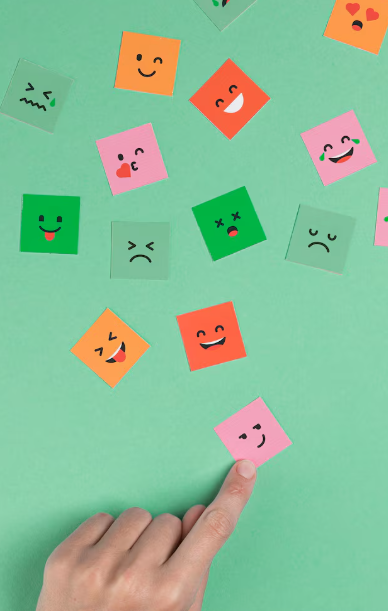
Permission to Feel: How Emotional Intelligence Supports Healing and Mental Health
Many people come to counselling not because something dramatic has happened, but because life feels quietly overwhelming. Stress lingers, emotions feel hard to manage, and it becomes difficult to name what’s really going on inside. Emotional intelligence offers a way to understand and work with these inner experiences — and can be a powerful missing piece in healing. Counsellor, Paula Brunning, explores how emotional intelligence can support healing and lasting change.

Expatriate Parenting: Raising your Children in a New Country
Moving your family to Singapore as an expatriate can feel like a dream, until the honeymoon fades and real parenting begins. Without grandparents or familiar friends you carry the invisible work of helping kids feel safe, seen, and settled. Let’s explore how how you can best support your family during the transition.

When Intimacy Is Chosen — But Not Wanted
Sex Therapist & Relationship Counsellor, Dr Martha Tara Lee, explores the psychology of consensual unwanted sex — situations where intimacy is chosen but not truly desired, and where consent exists without genuine wanting — how intimacy can become a form of obligation, why desire fades in these dynamics, and what it means for emotional and relational wellbeing.

Does My Child Need an Autism Assessment? How Psychologists Get Clarity (Including ADOS)
Most parents don’t wake up thinking, “I should get an autism assessment.” They wake up thinking, “Something doesn’t feel quite right.” Whether it’s delayed communication, emotional outbursts, or a child who seems bright but socially lost, many parents spend months wondering whether to wait or seek help. An autism assessment isn’t about rushing to a label — it’s about understanding how your child experiences the world and what support may help. In this article, psychologist Ho Shee Wai explains how clinicians assess autism and where tools like ADOS fit in.

Why the Men in Your Life Feel So Hard to Understand (Father, Husband, Son)
Many women didn’t come to counselling because they want to change the men in their lives. They came because they feel confused, exhausted, or alone — trying to connect with a father who won’t talk, a partner who shuts down, or a son who seems unreachable. If you’ve ever found yourself asking, “Why is he like this?” — not in anger, but in longing — this article is for you. Counsellor, Psychotherapist & Parenting Coach, Ben Ang, discusses how you can understand the men in your life.

How to Speak Your Partner’s Language in a Cross-Culture Relationship
Feeling like you don’t speak your partner’s language, despite both of you communicating in English? Or maybe you’re struggling with cultural differences? Learn to truly speak your partner’s language by decoding communication styles and building a shared Third Culture today.

Using EMDR to Become Unstuck: How EMDR Therapy Helps Heal Anxiety, Trauma & Emotional Blocks
Feeling emotionally stuck, overwhelmed, or trapped in patterns you can’t seem to break? EMDR therapy helps the brain and body resolve unresolved experiences at their root — often when other therapies haven’t brought lasting change. Learn how EMDR can unlock emotional healing and help you move forward with Psychologist Ho Shee Wai.

Breathe for Calm: Family Emotional Health
In today’s fast-paced world, many children and parents feel overwhelmed, anxious, and constantly “on edge.” The good news is that calm can begin with something as simple as a breath. Counsellor & Parenting Coach introduces easy, science-based breathing techniques families can use together to strengthen emotional regulation, reduce stress, and build lifelong resilience.

Love Maps: Our Internal World in a Relationship
Many couples talk every day yet feel increasingly misunderstood. Over time, assumptions replace curiosity, conversations become task-focused, and emotional distance quietly grows. Counsellor, Lim Swee Chen, explores the powerful concept of Love Maps, developed by Dr. John Gottman, and how updating them helps couples rebuild emotional closeness, deepen understanding, and stay connected through life’s changes.

What Does It Mean to Be a Man Today?
Many men are taught to be strong, silent, and self-reliant — but few are taught how to cope when life, relationships, and fatherhood feel overwhelming. Counsellor & Psychotherapist, Ben Ang, explores how traditional masculinity shapes men’s emotional lives, why anger is often misunderstood, and how redefining strength can create healthier men, families, and relationships.

When Sex Disappears and Nothing Is “Wrong”
When sex quietly fades from a relationship, it often brings confusion, shame, or self-blame—especially when “nothing is wrong.” Sex Therapist & Relationship Counsellor, Dr Martha Tara Lee, discusses low desire is rarely random. More often, it’s a signal about stress, safety, emotional load, or how the relationship has changed over time. Understanding why desire disappears is the first step toward clarity, compassion, and a healthier connection.