
Can Trauma Make You Stronger? The Truth About Post-Traumatic Growth
Psychologist / Supervised Counsellor
Can Trauma Make You Stronger? The Truth About Post-Traumatic Growth
Can something positive emerge from deeply painful experiences? While trauma can be overwhelming, many people discover unexpected strength, clarity, and growth in the process of healing. This is known as post-traumatic growth. Psychologist and Supervised Counsellor, Ewelina Sawicka, explains how understanding it can change how we see recovery.
What Is Post-Traumatic Growth?
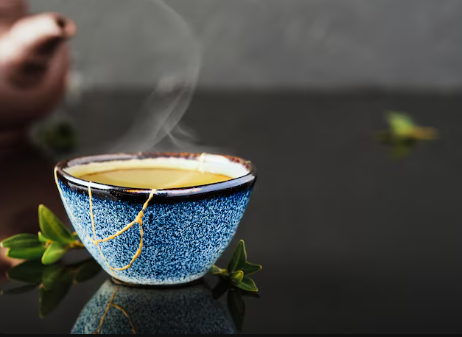
Have you ever heard of Kintsugi, the Japanese art of repairing broken ceramics with gold? Instead of hiding cracks, it highlights them — transforming damage into something meaningful and strong.
This philosophy offers a powerful metaphor for human experience. Difficult life events such as loss, illness, divorce, or major life transitions can deeply shake our sense of identity. While the pain is real and often overwhelming, research shows that some individuals experience positive psychological change through the process of healing. This is known as post-traumatic growth.
Post-traumatic growth is the positive psychological change that can happen after trauma. It does not mean trauma is good—but it means people can develop strength, meaning, and new perspectives as they heal. Many people wonder whether it is possible to grow after trauma. Growth does not happen automatically, and it does not replace the need for healing. Instead, post-traumatic growth refers to the positive changes that may develop when people learn to cope with adversity and rebuild their lives.
Can Trauma Make You Stronger?
Trauma is never something we would choose. However, many people find that through the process of healing, they develop emotional strength, deeper relationships, and a clearer sense of what matters in life.
This does not happen automatically—but it is possible.
Many people are surprised to realise that while they would never choose what happened, they are not the same person they were before—and in some ways, they feel stronger.
How Trauma Changes the Way We See the World
Traumatic experiences often shake our core assumptions about the self, others and the world. Before a difficult event, many people believe that life is predictable, safe, and fair.
When something painful happens, these beliefs may suddenly no longer feel true.
People may start asking questions such as: Why did this happen?, Who can I trust?, What really matters in life?, What does this mean for my future?
Although these questions can be painful, they can also lead to reflection and personal change. Over time, individuals may begin to rebuild their beliefs in a way that better reflects their experiences and values. This process can lead to deeper understanding, new priorities, and developing stronger coping strategies.
5 Signs of Post-Traumatic Growth
Psychologists often describe post-traumatic growth through five domains of positive change.
1. Personal Strength
After facing a traumatic experience, many people realize they are stronger than they previously thought. Surviving difficulty can increase confidence and the belief that future challenges can also be managed.
For example, someone who has gone through a serious illness may later feel more capable of handling stress or uncertainty.
2. Improved Relationships with Others
Trauma can deepen empathy and compassion. People who have experienced suffering often become more understanding of others who are struggling.
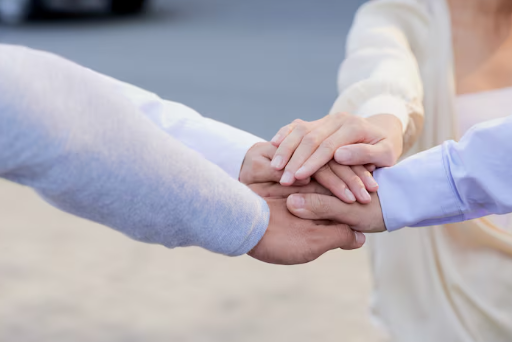
This may lead to:
more meaningful friendships
deeper family connections
sense of connectedness with other who shared traumatic experience
greater willingness to offer support
Some individuals also become more comfortable talking about emotions and seeking help, which can strengthen relationships.
3. Greater Appreciation of Life
Many trauma survivors report that difficult experiences change the way they see everyday life. Small moments that once felt ordinary may become more meaningful. People may begin to appreciate:
time spent with loved ones
daily routines
nature and simple pleasures
life and the present moment
This shift in perspective can bring greater gratitude and mindfulness.
4. New Possibilities
Sometimes adversity encourages people to explore new paths in life. After a difficult event, individuals may reconsider their priorities and make changes they had previously avoided.

For example, a person might:
change careers
pursue goals that were delated
move to a new place
dedicate time to volunteering or helping others
Trauma can become a turning point that opens doors to new opportunities.
5. Spiritual or Existential Change
For some people, traumatic experiences lead to deeper reflection about meaning, purpose, or spirituality. Individuals may reconnect with their faith or develop a stronger sense of purpose in life.
These changes can provide comfort and direction during the healing process.
Signs You May Be Experiencing Growth
You may be experiencing post-traumatic growth if you notice:
You feel stronger than before
You value relationships more deeply
Your priorities have shifted
You are more present or appreciative of life
You are exploring new possibilities
The Healing Process After Trauma
Growth after trauma does not happen immediately. It is usually a continuing process that unfolds as individuals work through their emotions and experiences. Healing after trauma is not about “getting over it,” but about learning how to live with the experience in a way that feels meaningful.
Many people benefit from support during this journey. A therapist, counsellor, or trusted support network can create a safe space where individuals feel heard and understood.
Several steps often help people move from struggle toward growth.
1. Education - Understanding and Normalizing the Experience
Learning about trauma can help individuals realize that their reactions are normal responses to difficult situations. Feelings such as sadness, anger, confusion, or fear are common and valid.
Understanding this can reduce feelings of isolation, fear, shame or self-blame and reintroduces hope.
2. Learning Emotional Regulation
Strong emotions are a natural part of healing. Developing healthy ways to manage these emotions can help individuals feel more stable and in control.
Helpful strategies may include:
breathing exercises
mindfulness
physical exercises
writing journals
art expression
These practices allow people to process emotions gradually rather than becoming overwhelmed and regain the control.
3. Sharing the Story
Talking about a difficult experience with a supportive person can be a powerful step in healing. Sharing the story allows individuals to organize their thoughts and feelings and begin making sense of what happened.
Disclosure of the story on own peace and in a safe environment can reduce emotional pressure and increase connection with others.
4. Finding Meaning
Over time, many people begin to reflect on how their experiences have shaped them. They may discover lessons, strengths, or new perspectives that developed through difficult experience.
Finding meaning does not erase the pain, but it can help integrate the trauma into one’s life story in a way that feels empowering.
-
Post-traumatic growth refers to positive psychological changes that can occur after experiencing adversity or trauma, including increased resilience, stronger relationships, and a deeper sense of meaning.
-
Trauma itself is not positive, but some individuals develop strength, perspective, and emotional growth as they process and heal from difficult experiences.
-
Signs include increased self-awareness, improved emotional regulation, stronger relationships, greater appreciation of life, and openness to new possibilities.
-
There is no fixed timeline. Growth develops gradually over time as individuals process their experiences and rebuild their sense of identity.
-
Not everyone needs counselling or therapy, but professional counselling support can help individuals process trauma safely and support meaningful growth.
A More Compassionate Way to View Trauma
The concept of post-traumatic growth encourages a shift in perspective. Instead of focusing only on symptoms and damage caused by trauma, it also highlights resilience and the capacity for transformation.
People who have faced hardship are not only survivors, they are also individuals capable of growth, wisdom, and meaningful change.
Just like the Kintsugi ceramic repaired with gold, life’s break downs can become part of a new and unique story. The scars may remain visible, but they can also represent strength, courage, and the ability to build more meaningful life.
When to Seek Support
If you feel stuck, overwhelmed, or unable to move forward, professional counselling support can help you process what happened safely.
Growth does not require you to go through it alone. Book in a session with me now!