
Welcome to our mental health blog!
Never stop learning with our blog bites. Here, we'll share strategies and insights into counselling, psychotherapy, psychology and common concerns. From relaxation strategies and self-improvement tools to managing anxiety, depression or other mental health concerns, as well as introductions to different therapeutic approaches, we’ve got it all covered!
Looking for a particular topic? Use the search bar and hit enter!

My Child Is Struggling to Make Friends: How Parents Can Help
Your child says they have no friends—or seems increasingly left out. Should you intervene or let them work it out? Counsellor & Parenting Coach, Paula Brunning explains how parents can support healthy friendships, belonging and social confidence, and the signs that a child may need more help.

When a Parent Has Cancer: Supporting Your Child Through the Journey
When a parent has cancer, one of the hardest questions can be how to support your child through the uncertainty. What should you tell them, how much can they understand, and how might they respond? Counsellor & Parenting Coach, Lim Swee Chen, explores how children and teenagers at different developmental stages may experience a parent’s cancer diagnosis, with practical guidance for helping them feel informed, secure and supported.

Parenting with ADHD: Overcoming Burnout, Executive Dysfunction, and Parental Guilt
Feeling overwhelmed by routines, clutter, and sensory overload? You aren't failing, you're parenting with ADHD! Learn why masking fails after having kids, how to handle burnout, and where to find support.

Sibling Rivalry: Why Your Kids Keep Fighting and What Parents Can Do
Why are my kids always fighting? Sibling rivalry can leave parents exhausted and wondering when to step in—or whether they’re making things worse. Counsellor & Parenting Coach, Paula Brunning, explains why siblings fight and shares practical ways to help children manage jealousy, regulate emotions, communicate better and turn everyday conflicts into lifelong relationship skills.

Nice vs Kind: Why Being "Too Nice" Can Damage Relationships More Than You Think
Many people believe being nice makes them a better partner, parent, friend or colleague. But constantly putting other people's comfort before your own can lead to resentment, weak boundaries and emotional exhaustion. Integrative Therapist, Calista Goh-Therond, explains why understanding the difference between being nice and being kind can help you build healthier relationships based on honesty, respect and genuine care rather than approval.
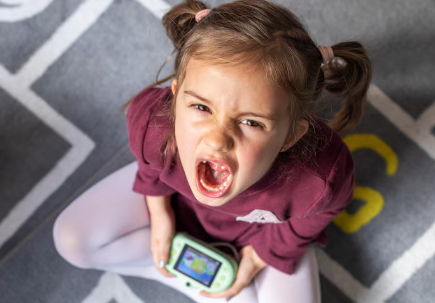
Why Your Child Has Tantrums: Understanding Difficult Behaviour
If your child has frequent tantrums, refuses to listen, hits siblings, or argues over everyday routines, you're not alone. Many parents worry they have a "difficult child," but behaviour is often more complex than simple disobedience. Supervised Marriage & Family Therapist shares understanding why children misbehave can help parents respond in ways that reduce conflict and strengthen the parent-child relationship.

Is Your Teen Addicted to Gaming? When It’s More Than Just a Game
When a teenager’s gaming starts affecting sleep, school, mood, or family relationships, it may be more than just a screen time issue. In this article, Zachariah Lail explores how problematic gaming can become part of a wider family pattern, and why rebuilding trust, communication, and connection often matters as much as setting limits.

What Is Intensive Interaction? How Non-Verbal Connection Supports Autism, Special Needs, and Relationships
Many people assume communication begins with words, but meaningful connection often starts much earlier. Intensive Interaction is a relationship-based approach that uses shared attention, body language, sounds, and emotional attunement to build trust and communication, particularly for individuals with autism and complex communication needs. In this article, Integrative Psychotherapist, Calista Goh-Therond, explores what Intensive Interaction is, why behaviour is communication, and how its principles can strengthen relationships between children, teenagers, adults, parents, partners, and caregivers.

Overcoming the Reluctance to Seek Child Counselling in Singapore
When your child is struggling, the instinct to protect them is fierce, but sometimes it manifests as a quiet hesitation to seek professional help. If you are feeling guilty, anxious, or reluctant about sending your child to therapy, you are not alone. Discover how to deconstruct the good parent myth and embrace a collaborative, empowering new perspective on emotional care.

Why Intimacy Often Fades After Having Children
Many couples notice this gradually. Conversations become practical. Physical affection becomes functional. Parenting takes priority, and the relationship slowly shifts from partnership to co-management. There may still be care, stability, and teamwork — yet emotional intimacy and desire quietly begin to fade. Sex Therapist & Relationship Counsellor, Dr Martha Tara Lee, discuss how to reverse the trend.

Why Boredom is Great for Kids
"I’m bored!" It’s a phrase that can instantly trigger a parent’s guilt or a frantic rush to find entertainment. But what if empty time is actually the greatest developmental gift you can give your child? Learn why boredom is crucial for your child’s development and how you can hold the boundary and step back with confidence.

Why Parenting Feels So Hard (And Why You're Not Failing)
Becoming a parent is often described as one of life’s most joyful experiences—but for many, it also brings unexpected stress, self-doubt, and emotional overwhelm. If you’ve ever wondered, “Why does this feel so hard?” or “Am I doing this right?”, you’re not alone. Counsellor & Parenting Coach, Paula Brunning, shares that parenting rarely matches the expectations we carry into it, and understanding this gap is the first step toward finding balance, confidence, and support.

Doctor Recommended CBT for Your Child? Here’s What It Actually Means
When a doctor recommends CBT for your child, it can feel both reassuring and confusing. What exactly is CBT, and how will it help your child manage anxiety? Counsellor & Parenting Coach, Paula Brunning, explains understanding how this evidence-based therapy works can give you confidence in supporting your child’s emotional wellbeing and progress.

Why Your Child Doesn’t Listen (And What Actually Works for Parents)
Many parents feel frustrated when their child seems to ignore instructions. Whether it’s a young child absorbed in play or a teenager who appears to tune out completely, these moments can easily turn into repeated reminders, raised voices, or power struggles. Yet children often struggle to respond not because they refuse to cooperate, but because of developmental, emotional, or attention-related factors. Psychologist, Ho Shee Wai, shares how understanding what may be happening beneath the surface can help parents respond in ways that encourage cooperation while strengthening the parent-child relationship.

How Parents Can Build Emotional Intelligence in Children Through Safe Space Responses
Parents play a powerful role in shaping their children’s emotional intelligence. When children feel safe expressing their emotions, they develop stronger resilience, empathy, and communication skills. Counsellor & Parenting Coach, Paula Brunning, explores how “safe space responses” help children understand and regulate their emotions, strengthening both their wellbeing and family relationships.

Feeling Lost After Becoming a Parent? Understanding Identity Shift
Many parents don’t feel burnt out — they feel lost. Somewhere between caring for everyone else, they stop recognising themselves. This quiet identity shift — sometimes called a parent identity crisis — is more common than people realise. Psychologist Ho Shee Wai explains why it happens and how you can find your way back.

Expatriate Parenting: Raising your Children in a New Country
Moving your family to Singapore as an expatriate can feel like a dream, until the honeymoon fades and real parenting begins. Without grandparents or familiar friends you carry the invisible work of helping kids feel safe, seen, and settled. Let’s explore how how you can best support your family during the transition.

Does My Child Need an Autism Assessment? How Psychologists Get Clarity (Including ADOS)
Most parents don’t wake up thinking, “I should get an autism assessment.” They wake up thinking, “Something doesn’t feel quite right.” Whether it’s delayed communication, emotional outbursts, or a child who seems bright but socially lost, many parents spend months wondering whether to wait or seek help. An autism assessment isn’t about rushing to a label — it’s about understanding how your child experiences the world and what support may help. In this article, psychologist Ho Shee Wai explains how clinicians assess autism and where tools like ADOS fit in.

Breathe for Calm: Family Emotional Health
In today’s fast-paced world, many children and parents feel overwhelmed, anxious, and constantly “on edge.” The good news is that calm can begin with something as simple as a breath. Counsellor & Parenting Coach introduces easy, science-based breathing techniques families can use together to strengthen emotional regulation, reduce stress, and build lifelong resilience.

Modeling Holiday Priorities: How Parents Can Create Calm, Connection & Meaning for Their Kids
The holiday season promises joy, connection, and festive magic—but for many parents, it also brings overstimulation, expectations, and an endless to-do list. Children don’t learn holiday values from what we tell them; they learn from what we model. When our behaviour shows connection, gratitude, empathy, and emotional regulation—even in busy seasons—we give our children a powerful roadmap for how to navigate stress and celebrate meaningfully. Counsellor & Parenting Coach, Paula Brunning, discusses what will help you prioritise what truly matters and teach your children the heart of the holidays through your everyday actions.