

Counsellor / Parenting Coach

Growing Up Between Worlds: How Moving to Singapore Affects Expat Children Emotionally
Many expatriate children appear to adjust well on the surface while quietly struggling underneath. Parents often notice changes only later — withdrawal, anxiety, emotional outbursts, academic stress, or difficulty fitting in socially. These reactions are more common than many families realise. Relocation affects children differently depending on age, personality, and previous experiences. Counsellor & Parenting Coach, Lim Swee Chen, explains why early support can make the transition significantly easier.
Why Relocation Can Be Difficult for Expat Children
Singapore is often seen as an easy place for expatriate families to settle. It is safe, efficient, and highly international. On the surface, the transition can appear smooth. Yet for many families, especially children, the experience is more layered. Moving countries is not simply a logistical shift. It is an emotional one that involves loss, adjustment, and the gradual rebuilding of a sense of belonging.
Even when the move is framed as exciting, it can also feel unexpectedly lonely. Parents are often occupied with work and practical demands, while children are left to navigate new environments, new people, and unfamiliar routines. The challenges vary depending on age, and understanding these differences can make it easier to support them.
Young children: disruption without words
How Young Children React to Moving Countries
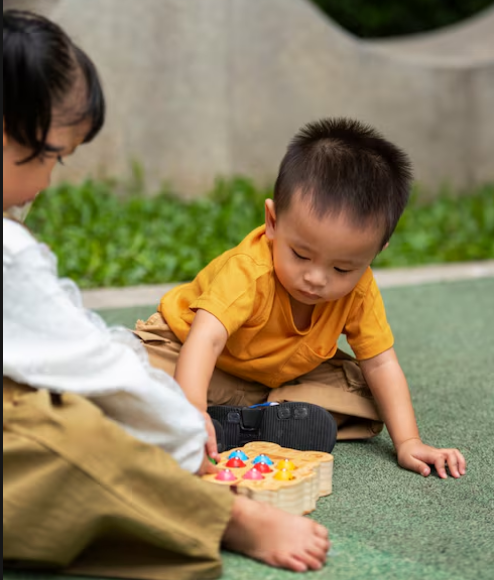
For young children, relocation is less about understanding and more about feeling. They may not fully grasp why they have moved, but they notice that everything around them has changed. Their home looks different. Their routines shift. Familiar people are no longer nearby.
At this stage, children rely heavily on predictability. A move to Singapore may bring new caregivers, different accents, and unfamiliar surroundings. Even small changes such as the sounds of the neighbourhood or the layout of a playground can feel unsettling.
Because they may not have the language to express what they are experiencing, their distress often shows up in behaviour. Parents might notice increased clinginess, difficulty sleeping, or regression such as bedwetting. These responses are often a way of seeking reassurance rather than misbehaviour.
Food can also become a point of tension. Singapore offers a wide range of flavours, which can be overwhelming for children used to a narrower range of foods. Mealtimes may become stressful if children resist unfamiliar dishes.
What helps most at this stage is consistency. Keeping familiar routines and holding on to small comforts such as favourite toys can create continuity. Young children are less focused on explanations and more on whether they feel safe and connected.
School aged children: fitting in and finding their place
School Adjustment Challenges for Expat Children in Singapore
For children in primary school, the move becomes more social. Friendships and a sense of belonging begin to matter more. Starting at a new school in Singapore can feel like entering a space where everyone else already knows their place.

Adjusting to a new education system can be challenging. Teaching styles, expectations, and academic standards may differ. Some children struggle at first, not because of ability, but because they are adapting to a new environment.
Making friends can take time. Established groups often have shared histories. A new child may feel unsure about how to join conversations, which can lead to self doubt.
Language can add another layer. Even though English is widely spoken, children may hear a mix of languages or expressions that feel unfamiliar. This can create a subtle sense of being different.
Food again plays a social role. School lunches and snacks often reflect local culture. Children who are unfamiliar with these foods may feel they stand out.
At this age, children are more aware of comparison. They notice differences in accent, clothing, and social confidence. Some withdraw when they feel out of place. Others try hard to adapt, sometimes at the cost of their comfort.
Parents can support them by acknowledging that making friends takes time. Encouraging small steps, such as joining one activity or forming one connection, can help build confidence.
Teenagers: identity, loss, and uncertainty
Why Teenagers Often Struggle Most With Relocation
For teenagers, moving countries can be particularly complex. Adolescence is already a time of identity formation and independence. Relocation adds another layer to that process.

Teenagers are more aware of what they have left behind. Friendships and familiar routines are disrupted. Even if the move offers opportunities, the sense of loss can be significant.
Making new friends can feel harder at this stage. Social groups may already be formed, and teenagers tend to be more self conscious. The fear of rejection can make it difficult to reach out.
Academic pressure can also increase the strain. Singapore’s education environment is often seen as demanding. Teenagers may feel pressure to perform while still adjusting socially and emotionally.
There is also the question of identity. Many expatriate teenagers find themselves in between cultures. They may not fully identify with their home country, yet also feel they do not completely belong in Singapore.
Social life often centres around food, and being unfamiliar with local dishes can create subtle barriers to joining in.
Parents may notice that teenagers become quieter or more withdrawn. Beneath that, there is often grief and the pressure of starting over. Support involves staying available without forcing conversations.
The Hidden Loneliness Many Expat Families Experience
The hidden layer: excitement and loneliness
Even when a move is seen as positive, many families experience a quieter sense of loneliness. The early period may feel exciting, filled with new experiences. Over time, the absence of familiar support systems becomes more noticeable.
This is often compounded by the temporary nature of expatriate life. Many families move on contracts with unclear timelines. There can be a feeling that life in Singapore is only for a period of time. Because of this, some people hold back from settling in fully, assuming challenges will resolve later or once they return home.
The difficulty is that “later” is not always clear. Contracts get extended, plans change, and families may stay longer than expected. Living in that uncertainty can create a sense of being in between.
Children pick up on this, even when it is not openly discussed. They may hesitate to invest in friendships if everything feels temporary. Teenagers in particular may question the point of building connections that might not last.
Recognising this pattern is important. Waiting for things to settle on their own can deepen the sense of disconnection. Engaging with the present, while still holding flexibility for the future, often helps families feel more grounded.
Signs Your Child May Be Struggling Emotionally After Relocation
Children do not always express distress directly. Parents may notice:
withdrawal from family or friends
increased irritability or emotional outbursts
difficulty sleeping
anxiety about school
loss of confidence
clinginess in younger children
academic decline
reluctance to attend school
social isolation
changes in eating habits
Sometimes these reactions appear months after the move rather than immediately.
How Parents Can Support Children Through Relocation
There is no single way to make the transition easy, but some approaches help.
Acknowledging that the move is difficult allows children to feel understood. Keeping connections to their previous home provides continuity. Encouraging gradual adjustment rather than immediate change reduces pressure.
It also helps when parents model openness. Trying new food and showing curiosity towards differences can make it easier for children to do the same. At the same time, it is important to watch for signs of ongoing distress such as withdrawal or anxiety.
Frequently Asked Questions (FAQ)
-
Yes. Even positive relocations can create emotional stress, loneliness, and adjustment difficulties for expat children.
-
Adjustment varies depending on age, personality, previous moves, and social support. Some children adapt within months, while others need longer.
-
Yes. Relocation during adolescence can increase feelings of loneliness, identity confusion, anxiety, and social stress.
-
Counselling can help children process change, manage anxiety, and build emotional stability during major transitions.
-
Withdrawal, sleep difficulties, emotional outbursts, school refusal, anxiety, or difficulty making friends may all indicate adjustment difficulties.
When Counselling May Help
Relocating to Singapore can offer valuable experiences, but it also comes with challenges that are often overlooked, especially for children. Each stage of development brings its own adjustments, from the need for safety and routine to the search for identity and belonging.
Relocating to Singapore can be emotionally challenging for children, even when everything appears fine on the surface. Early support can help prevent feelings of isolation, anxiety, or emotional withdrawal from becoming more deeply rooted.
At The Counselling Place, we support expatriate children, teenagers, and families adjusting to life in Singapore. Our therapists work with international families navigating relocation, school transitions, identity challenges, and emotional wellbeing. Book in a session with me today!
Related Articles
The Joys And Struggles Of Raising Children As Expats
Expatriate Parenting: Raising your Children in a New Country
Parenting Across Cultures: How to Raise Confident, Balanced Children
Understanding Your Child’s Mental Health: What Every Parent Should Know
How Parents Can Build Emotional Intelligence in Children Through Safe Space Responses