
Why Good People Sometimes Hurt the People They Love

by Ben Ang
Counsellor

Why Good People Sometimes Hurt the People They Love
People do not always hurt the ones they love because they care less. Often, they are reacting from old survival patterns, emotional triggers, stress or shame. Counsellor, Ben Ang, explains how understanding these patterns can help couples move from blame to repair.
Why do good people sometimes hurt the people they love most?
It is a question many couples wrestle with, especially when arguments keep repeating despite genuine care. A person may deeply love their partner and children, yet still become defensive, distant, controlling, silent or angry in moments of stress. Their partner may feel confused and hurt, wondering how someone who once felt caring and gentle can now feel so difficult to reach.
If two people genuinely love each other, why do they keep hurting one another?
Over the years, I have worked with couples struggling to reconnect after years of conflict. I have sat with men who deeply love their partners and children, yet find themselves reacting in ways they later regret. I have also met partners who feel confused because the person they once experienced as caring and gentle now seems distant, defensive, or easily angered. These experiences raise an important question. If two people genuinely love each other, why do they keep hurting one another?
It is tempting to look for a simple answer. We may conclude that one person simply cares less, is more selfish, or is unwilling to change. Sometimes that may be true.
But more often than we realise, the answer is far more complex. Many people do not intentionally hurt the people they love. Instead, they become caught in patterns that were learned long before the relationship even began.
When Survival Takes Over in Relationships
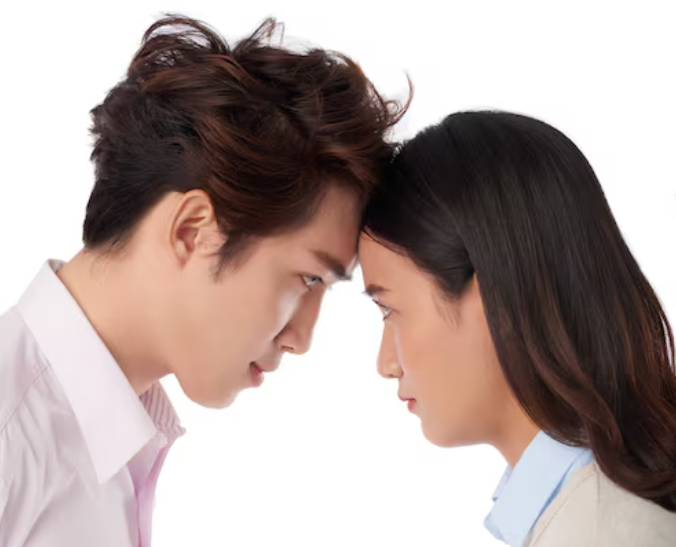
One of the things I often explain to couples is that during moments of stress, our brains are not always responding to the present situation alone. Sometimes they are responding to old experiences. A disagreement about household responsibilities may not simply feel like a disagreement.
For one person, it may feel like criticism. For another, it may feel like rejection. For someone else, it may feel like failure. These emotional meanings happen quickly, often outside our awareness. Before we have time to reflect, our nervous system moves into protection. Some people defend. Some withdraw. Some become controlling. Some raise their voice. Others become completely silent. These reactions may not make sense to the other person. But they often make perfect sense when we understand the story behind them.
Why We React Before We Reflect
Think about the last argument you had with someone you love. Perhaps it began with something relatively small. A forgotten chore. A comment that felt dismissive. A partner arriving home late. On the surface, these moments seem ordinary. Yet somehow they become much bigger than either person expected.
A husband hears, “You never help around the house.” What lands inside him is, “I’m failing again.”
A wife hears, “You’re overreacting.” What lands inside her is, “My feelings don’t matter.”
Neither person is responding only to the words. They are responding to the meaning attached to those words. And meanings are often shaped long before we met our partners.
The Emotional Stories We Bring Into Relationships
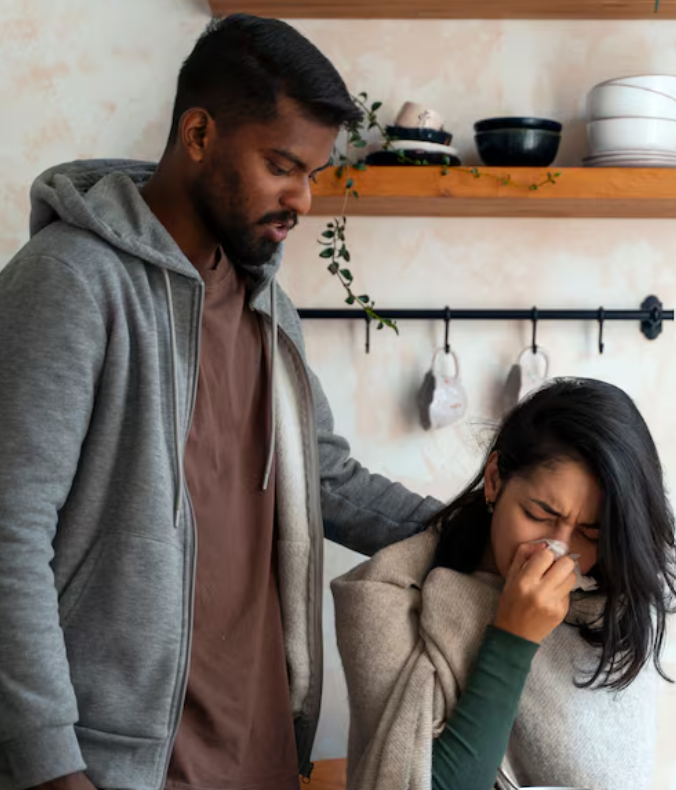
Every one of us enters a relationship carrying an emotional history. We learn what love looks like by watching our families. We learn how conflict is handled. We learn whether emotions are welcomed or dismissed. We learn whether mistakes lead to repair or criticism. These experiences may quietly shape how we respond in adulthood.
Someone who grew up in a highly critical home may become sensitive to feedback. Someone who learned that emotions were unsafe may withdraw whenever conflict arises. Someone who had to take care of themselves from a young age may find it difficult to rely on others. These patterns once helped us survive. The difficulty is that survival strategies do not always make good relationship strategies.
Why Stress Makes Old Patterns Stronger
One reason couples often struggle during periods of change is that stress tends to amplify old patterns. When life becomes overwhelming, we naturally fall back on familiar ways of coping. Unfortunately, those familiar ways are not always the healthiest ones.
This may be one reason why good people sometimes behave in ways that surprise even themselves. After an argument, many people say, “I don’t know why I reacted like that.”
The answer is often that their automatic survival pattern was faster than their reflective mind.
Awareness Creates Choice

One of the most hopeful moments in counselling or therapy is when people begin to recognise these patterns. Instead of asking, “What’s wrong with my partner?” or “What’s wrong with me?”
The conversation begins to change.
“What happens inside me when I feel criticised?”
“Why does this situation affect me so strongly?”
“What story am I telling myself in this moment?”
These questions do not remove responsibility but they deepen it. Because once we understand our patterns, we have more choice in how we respond. We cannot change what we cannot see.
Why Repair Matters More Than Never Hurting Each Other
One of the biggest myths about healthy relationships is that happy couples do not hurt one another. The reality is that every couple experiences moments of misunderstanding, disappointment, and conflict. The difference is not whether hurt happens. The difference is what happens next.
Can we slow down? Can we take responsibility? Can we become curious instead of defensive? Can we apologise without collapsing into shame? Can we stay connected even while working through difficult emotions?
Repair is one of the most important relationship skills we can develop. Not because it erases the hurt. But because it communicates, “Our relationship matters more than my need to be right.”
Frequently Asked Questions (FAQ)
-
People often hurt the people they love not because they care less, but because stress, fear, shame or old emotional patterns take over. In moments of conflict, the nervous system may react before the person has time to think clearly. This can lead to defensiveness, withdrawal, anger, criticism or silence, even when the person does not intend to cause pain.
-
Couples often repeat the same arguments because the surface issue is not always the real issue. A disagreement about chores, time, money or parenting may trigger deeper feelings such as rejection, criticism, failure or not feeling valued. Until these emotional patterns are understood, couples may keep reacting to each other in the same painful ways.
-
Yes. Love does not automatically remove old survival patterns, emotional triggers or unhealthy ways of coping with stress. Someone may genuinely love their partner but still react badly when they feel criticised, rejected, overwhelmed or ashamed. This does not excuse hurtful behaviour, but it can help explain why it happens and what needs to change.
-
Emotional triggers are moments that bring up strong feelings from past experiences. For example, a comment may feel like criticism, a delay may feel like rejection, or a disagreement may feel like abandonment. These reactions can happen quickly and may feel much bigger than the situation itself.
-
Couples can begin by slowing down and becoming curious about what happens beneath the argument. Instead of focusing only on who is right or wrong, it can help to ask: What did I feel in that moment? What meaning did I attach to my partner’s words? What pattern are we repeating? Taking responsibility, repairing after hurt and learning healthier ways to communicate are important steps.
-
Couples may benefit from counselling when they feel stuck in repeated arguments, emotional distance, defensiveness, withdrawal or unresolved hurt. Counselling can help couples understand their patterns, improve communication, strengthen emotional awareness and develop healthier ways of responding to conflict.
Getting Help for Repeated Relationship Conflict
If you find yourself caught in repeated cycles of conflict, emotional distance, or reactions that seem bigger than the situation itself, you are not alone.
Sometimes the patterns that cause the most pain are not created by a lack of love, but by stress, shame, fear, and survival strategies that no longer serve us or the people we care about.
At The Counselling Place, our psychologists, counsellors, and psychotherapists work with individuals and couples in Singapore to better understand repeated conflict patterns, emotional triggers and communication difficulties. Counselling can help couples strengthen emotional awareness, repair after hurt, and build healthier ways of responding to stress and connection. For couples who feel stuck in repeated conflict and want more focused support, Marathon Couples Therapy may offer a more intensive way to work through patterns in a shorter period.
While we cannot change the experiences that shaped us, we can change the patterns we continue. Book in a session with me today.
Related Articles
Navigating Conflict: A Healthier Approach to Couples' Arguments
Why Men Get Angry: The Hidden Shame Behind Male Anger
When One Partner Isn’t Ready: How to Understand & Ease Resistance to Couples Therapy