

Psychologist / Supervised Counsellor
When a Child Loses a Pet: How to Support Grief That Adults Often Overlook
When a child loses a pet, adults often underestimate the depth of the grief. But for many children, this is their first experience of loss — and it can shape how they understand love, attachment, and death. In Singapore, where pets often become emotional anchors in busy or expatriate families, this loss can feel even more significant than adults realize. Psychologist & Supervised Counsellor, Ewelina Sawicka, explains why.
-
Yes. For many children, a pet is a primary source of comfort, making the grief very real and significant.
-
Children around age 7 begin to understand that death is permanent, while younger children may see it as temporary.
-
Grief can last several months and sometimes up to a year, depending on the child and support received.
-
Look for withdrawal, persistent sadness, sleep changes, anxiety, or guilt that lasts for months.
-
Not immediately. Children need time to process grief before forming a new attachment.
-
If distress interferes with daily life or persists beyond several months, professional support is recommended.
Why Losing a Pet Can Be So Painful for Children
For many children, the death of a pet is their first experience with loss. In families around the world, pets are part of daily life. For Expatriates in Singapore, which is often a temporary home far away from where extended family lives, pets pay a role of a special companions that offer comfort, emotional safety and unconditional acceptance. Children develop strong emotional bond with them. They are sometimes children’s best friends who do not judge but are always there for them.
When the pet dies, the grief felt by a child can be deep and overwhelming, it is also often minimized by adults. They may say with good intentions: “It was just a pet”. “We can get another one”. However such reaction can invalidate a child’s experience.
How Children Understand Death at Different Ages
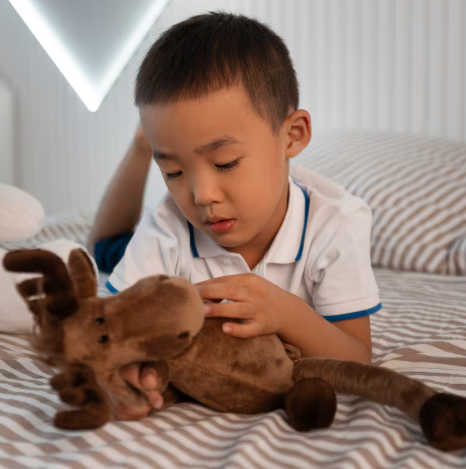
Children’s reaction to pet loss depend on their developmental stage. Younger children may see death as temporary and reversible. They may ask when the pet is coming back or believe the animal is simply sleeping. They can move quickly from between crying and playing, which can confuse adults. This does not mean they are not grieving but it simply reflects how young children process emotions.
Around age of seven and above children begin understanding that death is permanent and happens to all living things. The finality of death can feel frightening. Children may worry about other loved ones dying and start asking existential questions.
Teenagers tend to understand death much like adults do, but they may struggle to express their emotions. Some may react with withdrawing and not willing to talk about their emotions, while others may express sadness, irritability, anxiety and being unusually sensitive.
Regardless of age, the bond between a child and their pet is often strong. Children care for their animals, talk to them, share secrets, and rely on them for comfort. This high attachment makes experience of loss more intense and painful.
Signs Your Child Is Struggling With Grief
After a pet dies, children may experience:
Sadness and tearfulness,
Anger and irritability,
Anxiety and clinginess,
Changes in sleep and appetite,
Difficulty concentrating,
Guilt - “Was this my fault?,
Isolation from friends ,
Decrease in school performance,
Withdrawal from hobbies.
Some of the children may show some regressive behaviours for example wanting to sleep with parents or acting younger than their age. These are the normal reactions on grief which typically ease within a year.
What is important grief does not always have to be expressed in sadness. Sometimes it can be a change in behaviour. A child who cannot put their feelings in the words may act out instead. Clear and honest discussion about emotions is a key.
Why Pet Loss Is Often Dismissed (and Why It Matters)
One of the biggest challenges in pet loss is that it is often socially minimized. Unlike the death of a family member, the death of domestic animal in many cultures is perceived as less important and frequently lack of rituals, like for example funerals or prayers. Friends, teachers or extended family may not acknowledge the loss at all. The grief of a pet is then, in psychological language, “disenfranchised” - not validated, not recognized and leaving child without proper adult support and empathy.
When children notice that their sadness is not taken seriously, they may start hiding their feelings, which even intensify their distress. Research shows that when grief is acknowledged and supported, children cope better and when it is dismissed, their emotional pain can deepen.
Validation of negative feelings means recognizing that the loss mattered. Simply admitting “I can see how much you miss your pet” can make a significant difference.
Assessing grief in children after pet loss

Professionals often use general grief assessment approaches to understand how a child is coping. When assessing a grieving child, it is important to consider:
The child developmental stage
The strength of attachment to the pet
How the death occurred (sudden, expected, traumatic)
The family’s response to the loss
Cultural and religious beliefs about animals and death
The child’s coping style and support system.
Family functioning plays a particularly important role. Children are sensitive to their caregiver’s emotional availability. If parents are overwhelmed or dismissive, children may struggle more. If caregivers are present, open and supportive, children tend to adjust more smoothly.
It is also important to recognize normal grief from prolonged or complicated grief. While sadness, longing and temporary behaviour changes are expected, persistent distress that interfere with child’s daily functioning for many months may require additional support.
How Parents Can Support a Grieving Child
Understanding of grief changed over the years. Currently, instead of letting go and stop thinking about the beloved pet, maintaining a healthy emotional connection – know as continuing bonds – brings more comfort.
Children often keep their pet alive in memory. The key is to help theses bonds become symbolic rather than distressing. Support may include drawing pictures of a pet, writing letters, creating memory box, making a photo album, holding a small memorial ceremony or planting a tree or flowers. Such rituals give a child a sense of closure and validate that the pet mattered.
Children who feel emotionally supported by parents tend to cope better.
When to Seek Professional Counselling Help
Most children adjust to the loss of a pet especially when they are well supported by parents or caregivers. However professional support may be needed when child experiences:
Intense distress that lasts many months
Significant withdrawal from daily life
symptoms of depression or persistent anxiety
ongoing guilt or self-blame
Pet loss is not just a small event in child’s life. Often it is their first experience of death, loving and losing. When adults acknowledge the meaning of the bond and create space for mourning children can manage their emptions better and maintain relationship with the beloved animal.
If your child is struggling with grief after losing a pet, support can make a meaningful difference. At The Counselling Place, our therapists provide a safe and understanding space for children to process loss and build emotional resilience. Book a confidential session with me today.