
Parenting with ADHD: Overcoming Burnout, Executive Dysfunction, and Parental Guilt

by Anne Ueberbach
Assistant Director / Counsellor

Parenting is often described as one of the most rewarding journeys in life, but it is also undeniably demanding. When you add Attention-Deficit/Hyperactivity Disorder (ADHD) into the equation as a parent, daily family life can quickly feel overwhelming. From tracking school schedules and meal prep to managing emotional outbursts, executive functioning demands are at an all-time high.
If you are raising children while managing adult ADHD, know that you are far from alone. Many parents in Singapore navigate the constant pressure to maintain structure in a fast-paced environment while working through executive dysfunction, working memory lapses, and sensory overload.
Why Women Often Realize They Have ADHD Only in Motherhood
For many women, the realization that they have ADHD comes specifically after becoming mothers.
Because ADHD in young girls frequently presents as inattention, day-dreaming, or perfectionistic over-compensation rather than disruptive classroom behavior, it is commonly missed during childhood. Many women manage to navigate school and early careers through sheer effort, hyper-focus, or strict personal routines. They become experts in masking.
However, motherhood represents a massive shift in executive load.
Before children, a woman only needs to manage her own nervous system, schedule, and environment. Parenthood suddenly demands that she manage multiple human beings simultaneously. The unyielding cycle of feeding schedules, medical appointments, school forms, extracurricular logistics, and household operations—all compounded by chronic sleep deprivation—strains an already fragile executive system to its breaking point. Masking strategies that worked for decades collapse under this weight, often triggering intense anxiety or depressive episodes.
Furthermore, as children grow and show signs of neurodivergence, mothers often recognize their child's behaviors in themselves during the assessment process, prompting their own late diagnosis. Uncovering this connection offers immense relief, helping women reframe years of internal guilt, self-criticism, and parental burnout into a clear understanding of how their brain operates.
Understanding the Hidden Demands of Parenting with ADHD
Parenting directly taxes the exact cognitive functions affected by ADHD: executive function, impulse control, working memory, and emotional regulation. When your day requires constant multitasking, unpredictable disruptions, and hyper-vigilance, your nervous system can burn out rapidly.
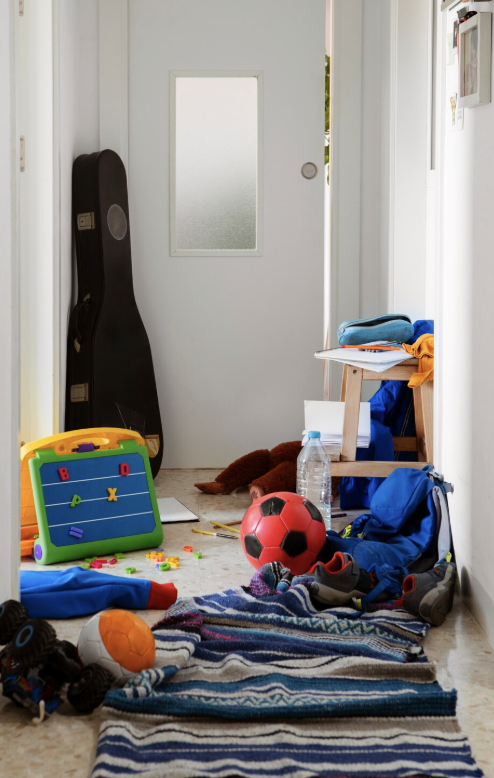
Executive Dysfunction: Initiation, prioritization, and completion become overwhelming. Parents struggle with task paralysis, household clutter, lost items, and missed deadlines like permission slips or dinner prep.
Time Blindness: Viewing time as either "now" or "not now" leads to perpetual lateness, rushed departures, and losing track of time during hyper-fixation.
Working Memory Lapses: Short-term recall is volatile, resulting in mid-task amnesia (e.g. walking into a room and forgetting why), or losing your train of thought when interrupted.
Sensory Overload: Simultaneous noise, clutter, and physical demands push the nervous system into fight-or-flight. Reduced impulse control can cause parents to snap quickly, triggering intense regret.
Emotional Weight: Comparing oneself to neurotypical parents fuels internalized shame, unsustainable cycles of perfectionism, burnout, and the exhaustion of masking.
Recognizing these friction points isn't about dwelling on limitations; it is the first step toward releasing perfectionism and building practical support systems tailored to a neurodivergent brain. For a deeper look into recognizing these executive functioning patterns in daily adulthood, explore our guide on understanding adult ADHD symptoms and management.
Practical Tips for Parenting with ADHD
Managing a home doesn't require turning into a rigid disciplinarian. Instead, it requires working with your neurodivergent brain rather than against it. Here are evidence-based, practical strategies to create smoother routines:
1. Externalize Memory with Visual Systems
Don't rely on working memory to keep track of school forms, vaccination records, or extracurricular timetables.
Command Centers: Set up a central whiteboard or calendar on the fridge, near the front door or any other high traffic area for daily reminders.
Color Coding: Assign each family member a specific color for folders, calendar entries, and laundry baskets.
Visual Timers: Use visual countdown timers so time becomes a tangible concept rather than an abstract threat.
2. Streamline Decisions to Fight Fatigue
Decision fatigue hits ADHD parents hard by late afternoon. Reduce the number of micro-decisions you need to make each day:
Meal Rotation: Create a predictable 2-week meal rotation menu so dinner decisions are pre-made.
Outfit Hooks: Prepare clothes for yourself and your children the night before, placing them on designated hooks.
3. Build Pockets of Reset
Continuous sensory input from children, screens, and household chores can trigger sensory overwhelm, leading to abrupt irritability. Schedule short 5-to-10-minute breaks throughout the day to decompress in a low-stimulation space.
4. Practice Emotional Co-Regulation
Children frequently mirror their parents' emotional states. When stress rises, practice pausing before reacting. Integrating mindfulness techniques for emotional regulation into your morning or evening routine can lower overall baseline anxiety and make reactive outbursts far less frequent.
How Counselling in Singapore Can Help
While practical tools provide day-to-day structure, lasting balance often requires professional guidance. Working with an experienced counsellor or psychologist offers a safe, non-judgmental space to unpack the emotional toll of parent burnout and build personalized strategies tailored to your lifestyle.
Here is how seeking professional support in Singapore can transform your parenting journey:
Tailored CBT strategies: Identify negative thought loops like parent guilt and learn practical cognitive techniques designed for adult ADHD.
Self-compassion & healing: Heal past shame, process frustration, and reframe neurodivergence as a unique processing style rather than a personal flaw.
Strengths-based parenting: Harness your innate creativity, spontaneity, and empathy while setting boundaries around executive challenges.
Healthier Family Dynamics: Align on parenting styles with your partner, share executive loads equitably, and improve communication through family counselling.
Embracing Your Unique Parenting Journey
There is no single right way to parent. Raising happy, resilient children does not depend on having a spotless house or flawless schedule; it depends on emotional connection, warmth, and consistency. By implementing practical routines, extending grace to yourself, and accessing professional counselling support when needed, you can move from surviving day-to-day chaos to truly enjoying family life.
If you are looking for support in managing ADHD, family relationships, or parental burnout, our team of multilingual psychologists, counsellors, psychotherapists and parenting coaches is here to help you navigate every step of the way.
FAQs
-
Yes. ADHD is a highly heritable neurodevelopmental condition, with genetic heritability estimated at 70% to 80%. If you are an ADHD parent, there is a higher probability your child may also be neurodivergent. Recognizing your own executive function challenges allows you to identify early signs in your children, seek timely assessments, and model healthy coping strategies from a young age.
Suggested readings: -
Parental burnout is a temporary state of chronic exhaustion caused by prolonged stress, which typically improves with rest, boundaries, and lifestyle adjustments. ADHD executive dysfunction is a lifelong, brain-based processing difference that affects task initiation, working memory, and emotional regulation. However, parents with ADHD experience parental burnout much faster because their nervous system works twice as hard to perform routine daily tasks.
Suggested readings:
-
Preventing emotional outbursts from sensory overload requires proactive nervous system regulation:
Reduce Input: Wear high-fidelity, noise-dampening earplugs during peak chaos hours (like 5:00 PM to 7:00 PM) to lower sound intensity without tuning out your child.
Communicate Limits: Create a simple color signal or keyword with your family that means you need a 5-minute quiet reset.
Take Micro-Breaks: Step into a dimly lit, quiet room for 3 to 5 minutes to reset your fight-or-flight response before re-engaging.
-
Many women mask their ADHD symptoms in youth through strict routines, hyper-focus, or perfectionism. Motherhood causes a massive increase in executive load—shifting from managing one schedule to managing an entire household while experiencing chronic sleep deprivation. This sudden strain often causes long-standing masking mechanisms to collapse, leading to an accurate late-life ADHD diagnosis.


About the author
Anne is a a compassionate and experienced counsellor at The Counselling Place Singapore, who empowers her clients to thrive amidst life's challenges. Her expertise across Singapore and Australia spans mental health, career coaching, and multicultural dynamics, informed by her own expat experience and diverse family background.
Anne creates a warm and non-judgmental space for growth and transformation. Her empathetic approach supports individuals, families, and expats navigating life's challenges and transitions