
Grief in Chinese Families: Why Different Generations Mourn So Differently

Counsellor / Parenting Coach

Grief in Chinese Families: Why Different Generations Mourn So Differently
Grief in Chinese families is rarely simple. When someone passes away, different generations often respond in very different ways — sometimes creating tension, confusion, or even conflict. Counsellor & Parenting Coach, Lim Swee Chen, explains how understanding these differences can help families move through loss with more clarity and less misunderstanding.
-
Because grief is influenced by cultural traditions, religious beliefs, and generational differences.
-
They may feel less connected to traditional beliefs or prefer more private ways of grieving.
-
Yes. Different grieving styles can lead to misunderstanding and tension.
-
By allowing different grieving styles while focusing on shared respect and support.
Grief rarely happens in isolation. In many Chinese families in Singapore and Malaysia, it unfolds within a close-knit network shaped by culture, tradition, and different life experiences across generations. When someone passes away, it is common for family members to respond in very different ways. Older relatives may turn to religious rituals and long-standing customs. Younger adults may approach grief more privately or practically. Children may be encountering death for the first time and not fully understand what is happening. In many Chinese families, grief is not just emotional — it is deeply shaped by culture, tradition, and family expectations.
These differences can sometimes feel uncomfortable or even create tension. It may seem as though people are not on the same page. In reality, they are often expressing grief in ways that make sense to them. Understanding this can help families move through loss with more patience and less conflict.
Why Older Generations Rely on Rituals and Tradition
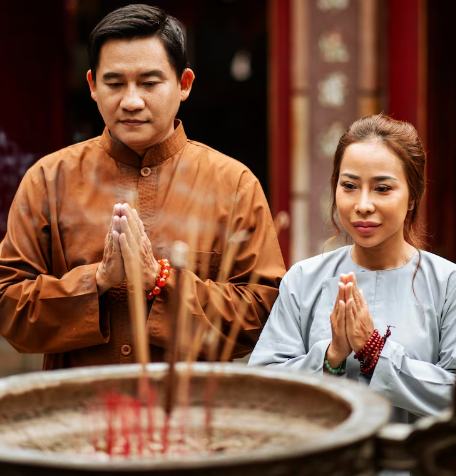
For many in the older generation, grief is closely tied to cultural and religious practices. In Singapore and Malaysia, this may include Taoist or Buddhist funeral rites, chanting, burning incense or joss paper, and observing certain mourning periods. There may be specific expectations around wakes, offerings, and rituals carried out over several days. These practices often serve a few important purposes.
They provide structure during a time that feels uncertain. When emotions are overwhelming, having clear steps to follow can feel grounding.
They are also tied to beliefs about the afterlife. For some, burning offerings or performing rituals is a way of taking care of the deceased, helping them on their journey. It is not just symbolic. It is experienced as an act of responsibility and love.
At the same time, these rituals bring people together. Extended family, neighbours, and friends gather, sometimes late into the night, sharing stories, food, and presence. In this way, grief becomes something collective rather than something to carry alone.
For younger family members who are less religious, these practices can feel unfamiliar or difficult to relate to. Some may feel they are going through the motions without fully believing in them. Still, for the older generation, these rituals often carry deep emotional meaning.
Why Younger Adults Grieve Differently
Younger adults in Singapore and Malaysia often grow up in more diverse and globalised environments. Many are less connected to traditional religious beliefs. Their way of coping with grief may look quite different.
Some may prefer quiet reflection over extended rituals. Others may focus on practical matters, such as managing arrangements or returning to work sooner. Some may talk things through with close friends or partners, or seek support through counselling.
Others may cope by keeping themselves busy.
These differences can sometimes lead to misunderstanding within the family. A younger person who does not participate fully in rituals may be seen as distant or not respectful enough. At the same time, the younger person may feel pressured or misunderstood, especially if they are expected to follow practices that do not resonate with them.
This tension often reflects a difference in belief systems rather than a lack of care. Both generations are grieving. They are simply doing it in different ways.
Helping Children Make Sense of Death
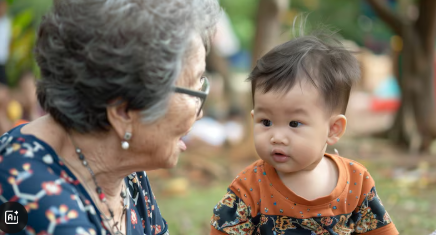
Children are often the most overlooked in the grieving process. In many families, the focus naturally goes to managing rituals and supporting adults. At the same time, children may be quietly trying to understand what has happened.
Younger children may not fully grasp that death is permanent. They may ask when the person is coming back or seem unaffected one moment and upset the next. Older children may understand more but still struggle with feelings of fear, confusion, or sadness.
In a multigenerational setting, children are exposed to a wide range of reactions. They may see adults crying openly, participating in rituals they do not understand, or avoiding the topic altogether. Without explanation, this can feel confusing.
What helps is simple, honest communication. Using clear language such as “Ah Gong has died, which means his body has stopped working and he cannot come back” is often more helpful than vague phrases. It is also useful to explain what is happening around them. For example, “We are burning these things to show love and respect.”
Children also need reassurance. Letting them know that it is acceptable to feel sad, confused, or even not feel much at all helps them make sense of their experience.
Keeping some routines, such as school or bedtime, can also provide a sense of stability.
Why Grief Often Causes Conflict in Families
When grief looks different, it can easily be misunderstood. What appears as distance, avoidance, or overreaction is often simply a different way of coping with loss.
It is not unusual for differences in grieving styles to lead to tension.
Some family members may want to follow every ritual closely, while others may feel overwhelmed by the length or intensity of the process. Some may express grief openly, while others keep their feelings to themselves. Some may want to talk about the person who has passed, while others avoid it because it feels too painful.
These differences can easily be misunderstood. Someone who is quieter may be seen as not caring enough. Someone who is more emotional may be seen as unable to cope.
In reality, both are valid responses to loss.
In Singapore and Malaysia, there can also be strong expectations around filial piety.
Certain practices may be seen as a duty. When these expectations meet a younger generation with different beliefs, it can create strain within the family.
Finding a Way to Cope Together

Grief does not require everyone to respond in the same way. What matters more is whether there is space for these differences.
One way to approach this is to recognise that participation does not always mean agreement. A younger family member may take part in a ritual as a way of supporting their parents or grandparents, even if they do not fully believe in it.
It can also help to focus on shared intentions. Most family members, regardless of how they express it, want to honour the person who has passed and take care of one another. Remembering this can reduce the sense of opposition.
Flexibility can make a difference. Not everyone needs to attend every part of a wake or participate in every ritual. Allowing some room for choice helps people stay engaged without feeling forced.
Clear and simple communication also helps. Saying something like, “I’m still learning about these practices but I want to support the family,” or “I’m feeling quite overwhelmed and may need to step away for a while,” can prevent misunderstandings.
Amid all this, it is important not to overlook children. Taking time to check in with them, even briefly, helps them feel included and supported.
Holding Grief Together, Even When It Looks Different
In many Chinese families in Singapore and Malaysia, grief is both shared and deeply personal. There is often a strong sense of coming together, especially during wakes and funeral rites. At the same time, each person is carrying their own experience of loss.
The older generation may find comfort in rituals, structure, and beliefs about the afterlife. Younger adults may lean towards reflection, conversation, or simply taking things one step at a time. Children are learning, often for the first time, what loss means.
Grief does not divide families — misunderstanding does. These differences do not have to divide a family. With some understanding, they can exist alongside one another.
Grief is not about getting it right. It is about finding ways to cope, to honour the person who has passed, and to support one another through a difficult time. In a multigenerational family, that often means allowing grief to look different, while still holding it together as a shared experience.
If you find yourself feeling overwhelmed by grief, or navigating tension within your family during this time, you do not have to manage it on your own. Speaking with a psychologist, counsellor, or psychotherapist can provide a space to process your experience and find ways to cope that feel right for you. At The Counselling Place, we are here to support you through loss with understanding, clarity, and care. Book a session with me today!