
The Third Wave of Positive Psychology: From Healing to Flourishing

by Jumh Tantri
Counsellor / Parenting Coach / Career Coach
The Third Wave of Positive Psychology: From Healing to Flourishing
Positive psychology has evolved from simply reducing suffering to cultivating human potential. Discover how the third modern wave integrates science, culture, and real-world systems to help individuals, organizations, and societies truly flourish with Counsellor, Jumh Tantri.
-
It’s a modern, integrative phase that applies positive psychology principles systemically—across education, work, healthcare, and culture—emphasizing contextual and holistic flourishing.
-
The first wave focused on happiness, the second on balance between joy and struggle, and the third emphasizes systemic, cross-cultural, and applied integration.
-
Developed by Martin Seligman, PERMAH stands for Positive Emotion, Engagement, Relationships, Meaning, Accomplishment, and Health—core pillars of flourishing.
-
SPARKS are intrinsic strengths, passions, and skills that ignite vitality, motivation, and purpose—especially useful in youth development and self-discovery.
-
They empower individuals to adapt, recover, and thrive by identifying and applying their natural abilities to real-life challenges.
-
Yes. Positive education and strengths-based leadership use PERMAH principles to build engagement, collaboration, and resilience in students and professionals.
-
Some warn against “toxic positivity” or neglecting negative emotions. The third wave addresses this by emphasizing integration, balance, and cultural awareness.
-
Therapists combine evidence-based interventions with strengths and meaning-focused approaches to promote not just healing but flourishing.
Traditional psychology, for much of the 20th century, concentrated primarily on alleviating human suffering. Its chief objective was to bring individuals from dysfunction to functionality, or metaphorically speaking, from -10 to 0. This clinical lens, while essential for addressing mental illness, often neglected the broader spectrum of human potential. In contrast, positive psychology emerged as a revolutionary paradigm, aspiring not only to prevent psychological distress but also to cultivate flourishing—moving individuals from 0 to +10. Over time, this movement has evolved through several waves, culminating in the third modern wave of positive psychology, a more integrated and systemic approach that honors complexity, contextual factors, and the fullness of human experience.
From Fixing Illness to Cultivating Well-Being: The -10 to +10 Spectrum

The -10 to +10 continuum conceptualizes human psychological functioning as a spectrum. On one end (-10), individuals may struggle with debilitating mental health issues such as depression, anxiety, or trauma. Traditional psychological interventions, such as cognitive-behavioral therapy or psychopharmacology, aim to help individuals reduce distress and reach a baseline of functionality (0). However, this “zero point” is not the pinnacle of human potential—it’s merely the absence of suffering.
Positive psychology, as introduced by Martin Seligman in the late 1990s, proposes that well-being is not simply the absence of mental illness but the presence of positive emotions, engagement, relationships, meaning, accomplishment, and health. Thus, its mission is to guide individuals toward +10—states of thriving, vitality, and purpose.
The Evolution: First, Second, and Now the Third Wave
The first wave of positive psychology focused on the empirical study of happiness and positive emotions. It brought forward constructs like gratitude, optimism, and flow. The second wave acknowledged the coexistence of positive and negative experiences. It recognized that adversity, loss, and struggle can contribute to growth and meaning, leading to the emergence of post-traumatic growth and acceptance-based models.
Now, we are witnessing the third wave of positive psychology, which is characterized by its systemic, integrative, and cross-cultural nature. This wave embraces complexity, emphasizing that human flourishing must be understood in context—across lifespan, cultures, organizations, and communities. It also focuses on practical application through education, workplace culture, policy, and health systems, often utilizing strengths-based coaching, resilience training, and whole-person approaches.
Martin Seligman’s PERMAH Model: A Pillar of Flourishing
Central to the third wave is Seligman’s PERMAH model, an expansion of his earlier PERMA framework. PERMAH outlines six core elements of psychological well-being:
Positive Emotion: Experiencing joy, gratitude, serenity, and hope.
Engagement: Being deeply involved in activities that bring flow.
Relationships: Building positive, supportive, and meaningful connections.
Meaning: Belonging to and serving something larger than oneself.
Accomplishment: Pursuing and achieving goals for intrinsic satisfaction.
Health: Attending to physical well-being through exercise, sleep, and nutrition.
These components form the basis for interventions that not only prevent mental illness but also help people thrive. Importantly, these elements are measurable, teachable, and malleable, making them practical tools for systemic application in schools, organizations, and communities.
SPARKS: Lighting the Inner Fire
An emerging concept within the third wave is SPARKS—Strengths, Passions, And Recognizable Knowledge and Skills. Introduced in youth development contexts, SPARKS refer to those intrinsic interests and talents that give individuals a sense of vitality and purpose. When a person discovers and nurtures their SPARKS, they are more likely to experience well-being, resilience, and engagement.
SPARKS align closely with both the strengths-based movement and the self-determination theory, which emphasizes autonomy, competence, and relatedness as key psychological needs. Identifying and cultivating SPARKS can serve as a personalized pathway to move individuals up the -10 to +10 continuum, particularly during adolescence and major life transitions.
Resilience and Strength-Based Training: Tools for Sustained Well-Being
In the third wave, resilience is seen not just as the ability to bounce back from hardship but as the capacity to adapt and grow through adversity. Positive psychology interventions now include structured resilience training programs, such as the Penn Resilience Program or the Bounce Back initiative in schools. These programs teach cognitive flexibility, emotional regulation, optimism, and problem-solving skills.
Equally significant is the strength-based approach, pioneered by researchers like Alex Linley and Donald Clifton. Strengths interventions involve helping individuals identify their top character strengths (e.g., via the VIA Character Strengths Survey) and intentionally apply them in daily life. This not only improves well-being but also enhances performance and life satisfaction. Evidence shows that using one’s strengths in new ways can lead to lasting increases in happiness and decreases in depression—again, shifting people along the continuum from -5 to +7, for example.
Applications Across Contexts
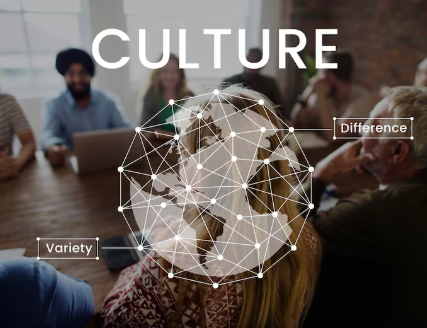
The third wave of positive psychology is not confined to therapy rooms or academic journals—it is applied in real-world systems. In schools, positive education integrates PERMAH and resilience training into curricula, aiming to cultivate both academic achievement and psychological well-being. In the workplace, positive organizational scholarship and strengths-based leadership promote thriving teams and cultures. In healthcare, positive psychology complements traditional medicine by addressing the emotional and psychological aspects of healing.
Culturally, this wave also acknowledges that flourishing looks different across societies. The emphasis on individual achievement may be central in Western models, but in collectivist cultures, meaning, harmony, and contribution to the community may play larger roles. Thus, the third wave actively seeks cultural sensitivity and inclusivity in defining and promoting well-being.
Challenges and Ethical Considerations
While the promise of positive psychology is vast, the third wave also confronts critiques and ethical considerations. There is a risk of “toxic positivity” when negative emotions are dismissed or minimized. Flourishing must not become a moral imperative where individuals are blamed for their struggles. Additionally, interventions must be evidence-based, culturally adapted, and accessible to avoid reinforcing inequalities in mental health care.
Conclusion: Toward a Whole-Person Science
The third modern wave of positive psychology represents a paradigm shift—not only in what psychology studies, but also in how it is applied to everyday life. Rather than merely treating illness, it asks: How can we help people live lives of meaning, vitality, and purpose? By framing psychological functioning along the -10 to +10 continuum, positive psychology redefines what it means to be mentally healthy. With models like PERMAH, concepts like SPARKS, and tools such as resilience and strengths training, the field now offers a comprehensive approach to cultivating well-being at personal, interpersonal, and systemic levels.
As we move forward, the third wave reminds us that mental health is more than the absence of suffering—it is the presence of flourishing.
Book a counseling session with me at The Counselling Place Singapore to learn to adopt positive psychology to utilise it in your personal and professional life. For personal life, it is to help you stay afloat above the status quo state of mind and consistently aiming to flourish whereas for the professional life, it enhances your social connection with your co-workers and also for leaders to utilise them to enhance team building and supervising your subordinates. It goes beyond the cycle of healing and hoping that you will be fine in the midst of this chaos world. It helps you to create meaningful life and investing in quality relationships with your loved ones and socials.