
My Child Is Struggling to Make Friends: How Parents Can Help

Counsellor / Parenting Coach
My Child Is Struggling to Make Friends: How Parents Can Help
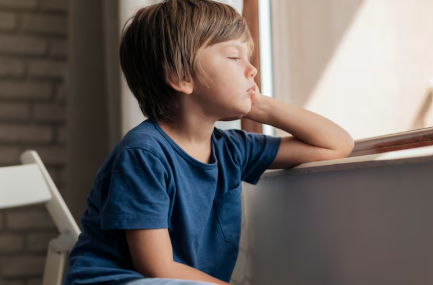
Your child says they have no friends—or seems increasingly left out. Should you intervene or let them work it out? Counsellor & Parenting Coach, Paula Brunning, explains how parents can support healthy friendships, belonging and social confidence, and the signs that a child may need more help.
If your child is struggling to make friends, feeling left out or finding it difficult to belong after moving school or country, it can be hard to know what to do. Should you step in? Encourage them to try harder? Speak to the school? Or give them space to work things out themselves?
I have recently moved with a teenager. We left somewhere he felt known and accepted, and establishing a new sense of belonging where we are now is going to take time. Helping him build that sense of connection is high on my list as we settle.
As a counsellor, I am also very aware of how important peer belonging is for children's emotional wellbeing. Friendships are not simply about having someone to play or spend time with. They are one of the places where children learn who they are, how relationships work and whether they feel accepted and valued.
So perhaps one of the most useful questions we can ask as parents isn't:
“How many friends does my child have?”
but:
“Does my child feel that they belong?”
Why Friendships and Belonging Matter for Children
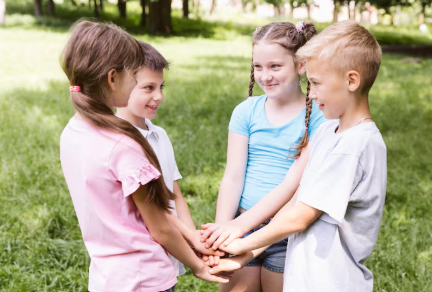
As parents, we spend a great deal of time thinking about our children's wellbeing. We ask whether they are eating well, sleeping enough, managing schoolwork and making good choices.
But friendships and peer relationships are also an important part of healthy social and emotional development.
Through relationships, children practise communicating, cooperating, managing disagreements, understanding different perspectives and coping with disappointment. These experiences help form the foundations for relationships throughout adolescence and adulthood.
The American Psychological Association highlights the important role parents can play in helping children develop healthy friendships and the psychological tools needed to maintain relationships over time.
TCK Training similarly identifies supportive peers as an important Positive Childhood Experience, particularly for Third Culture Kids (TCKs), who may experience repeated moves, school changes and the loss of friendships.
Research has also linked peer belonging with academic outcomes. In other words, feeling connected is not a minor part of childhood. It can influence how children experience school, themselves and the world around them.
Your Child Doesn't Need Lots of Friends
For younger children, friendship might mean playing together at the park or during recess. As children grow, friendships become increasingly connected to identity, belonging and emotional support.
For tweens and teenagers in particular, peers provide important opportunities to develop social and emotional skills that carry forward into adulthood.
A healthy friendship can give a child opportunities to:
feel accepted and valued;
practise communication;
learn to compromise;
understand another person's perspective;
experience trust and reciprocity;
manage disagreements;
develop empathy;
share interests and experiences;
receive and offer emotional support; and
discover more about who they are.
This does not mean every child needs a large friendship group.
Some children are naturally more comfortable with one or two close friends. Others enjoy being part of a larger group without having one particularly close friendship.
The number of friends matters less than whether your child has meaningful opportunities for connection and feels that they belong.
Importantly, belonging is a personal experience. We cannot always tell from the outside whether a child genuinely feels connected. A child may appear socially busy and still feel lonely, while another child with one close friendship may feel completely secure.
Talking to your child about their experiences and feelings gives you a better window into this important part of their life.
Why Does My Child Struggle to Make Friends?
Sometimes parents become concerned because their child seems to struggle socially.
Perhaps they don't know how to join a group. They may become very upset when someone disagrees with them, struggle to start conversations or find it difficult to repair a friendship after an argument.
Rather than immediately viewing this as evidence that something is wrong, it can be helpful to think about friendship as a collection of skills that develops through experience and practice.
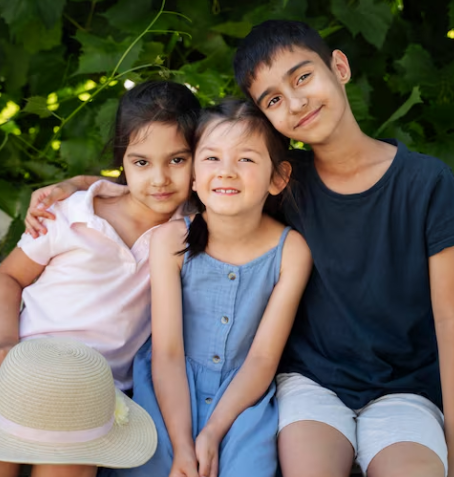
Children are learning questions such as:
How do I enter a conversation?
How do I tell someone I'm upset without attacking them?
How do I listen when I disagree?
How do I apologise?
How do I respond when someone says no?
How do I know whether a friendship is healthy?
These are not skills that children necessarily acquire automatically simply because they attend school. They may need modelling, coaching, encouragement and opportunities to practise.
Parents can therefore take an active and supportive role in helping children navigate friendships rather than assuming they will simply “figure it out”.
When Your Child Feels Left Out, Listen Before Trying to Fix It
Your child comes home devastated because a friend didn't invite them to something.
As a parent, your instinct may be to contact the other parent, speak to the teacher, reassure your child that the friend isn't worth worrying about or immediately tell them what they should do next.
Sometimes adult intervention is absolutely appropriate, particularly when there is bullying, intimidation, discrimination or a genuine safety concern.
But ordinary friendship difficulties can also give children valuable opportunities to develop problem-solving and relationship skills.
Before solving the problem for them, try helping your child explore what happened and what they might do next.
Using a calm, interested voice, you might ask:
“What happened?”
“How did that make you feel?”
“What do you think the other person might have been thinking?”
“What do you see as your options?”
“What could you try next?”
“Would you like some help thinking through your options?”
The goal is not to leave children to struggle alone. It is to support them while gradually helping them develop the confidence and skills to navigate relationships themselves.
What Not to Say When Your Child Has Friendship Problems
When children experience friendship difficulties, parents understandably want to make them feel better.

We may say:
“Just ignore them.”
“Go and find someone else.”
“They're not worth worrying about.”
“You have plenty of other friends.”
These comments are usually well-intentioned, but they can inadvertently communicate that the child's feelings are excessive or unimportant. They also miss an opportunity to help children consider their options and make their own thoughtful, values-based choices.
Based on TCK Training's work, I encourage parents to provide a safe space for children to voice their concerns and feelings.
Sometimes the most helpful first response is surprisingly simple:
“That sounds really difficult.”
“I can understand why you were upset.”
“Tell me more about what happened.”
Once children feel heard, they are often much more open to thinking about what to do next.
Strong emotions can make clear thinking and problem-solving more difficult. When children feel understood and connected to a calm, curious parent, they are often better able to weigh their options, consider alternatives and make a plan.
How Can I Help My Child Make Friends?
Parents cannot manufacture friendships, but we can create opportunities for connection.
This might mean encouraging your child to participate in a club, sport, creative activity, community group or another activity built around a shared interest.
Rather than focusing on making your child more popular, think about helping them find places where repeated contact with the same people allows relationships to develop naturally.
One meaningful friendship can make a surprisingly large difference.
Your child may simply need an anchor point: one person, group or activity where they feel known and accepted.
It also takes energy to enter a new social environment and get to know people. Encouragement, patience and practical support with skills such as initiating conversations can make a real difference.
Moving Country or School: Why Friendships Can Be Harder for TCKs
Moving city, country or school can have a significant impact on a child's sense of belonging.
For globally mobile families and Third Culture Kids, this may happen repeatedly. A child builds close friendships, says goodbye, starts again and then potentially experiences another loss when either their family or their friend's family moves.
Even when children appear to take these transitions in their stride, repeated friendship losses can make establishing a stable sense of connection more difficult.
A child may brush off another goodbye as “no big deal”, but that does not necessarily mean it has had no impact.
When families are new to a place, community connections may not happen naturally. Parents may therefore need to be more intentional about creating opportunities for their children to develop peer relationships.
This doesn't mean parents have to make every transition painless. Some sadness is a natural consequence of having relationships that matter.
Instead, we can help children learn that relationships are worth investing in, even when saying goodbye hurts, and that it is possible to build meaningful connections again.
When Should I Worry About My Child Struggling to Make Friends?
Not having a best friend does not automatically mean that a child needs counselling.
Some children are perfectly content with a small social circle, and healthy development does not require a child to be highly sociable or popular.
It may be worth paying closer attention, however, when friendship difficulties are persistent or are causing significant distress.
Consider seeking professional support if your child:
consistently describes themselves as lonely or rejected;
repeatedly says they have nobody to talk to;
increasingly avoids school or social activities;
experiences repeated exclusion or bullying;
becomes very anxious about interacting with peers;
repeatedly struggles to establish or maintain friendships;
experiences significant distress after moving or losing friendships;
withdraws from activities they previously enjoyed;
seems particularly affected by repeated friendship losses; or
shows noticeable changes in mood, behaviour or day-to-day functioning alongside social difficulties.
Counselling does not have to be reserved for a crisis.
Sometimes it simply provides a safe place for a child to understand what has happened, process a loss, explore how they think about themselves and their relationships, develop social and emotional skills, and help parents work out how best to support them.
Helping Your Child Find Their Sense of Belonging
Perhaps one of the most important things we can do as parents is resist comparing our child's social life with someone else's.
One child may have ten friends. Another may have one very close friend.
One may happily join a new group within minutes. Another may need weeks before they feel comfortable.
Healthy development does not require every child to be socially confident, popular or surrounded by friends. Children need opportunities for connection, belonging, acceptance and growth.
Ultimately, our children need more than good sleep and academic skills to thrive.
They need opportunities to learn how to connect with people, navigate differences, repair relationships and recognise when a relationship is healthy.
And perhaps most importantly, they need to develop the sense that:
“There are people in this world who will see me, know me and value me — and I belong.”
That is a powerful foundation for emotional wellbeing, wherever childhood happens to take them.
Frequently Asked Questions
-
Yes. Some children are happiest with one or two close friendships rather than a large social group. The more useful question is whether your child feels connected, accepted and satisfied with their relationships. A small friendship circle is not necessarily a cause for concern.
-
It depends on the situation. Adult intervention may be necessary where there is bullying, intimidation, discrimination or a safety concern. For ordinary disagreements and friendship difficulties, helping your child think through what happened and consider their options can support the development of their own relationship and problem-solving skills.
-
Give it time and create regular opportunities for connection. Clubs, sports, creative activities and other shared-interest groups can allow your child to meet the same children repeatedly and build relationships gradually. For children who have moved countries or schools several times, it can also be important to acknowledge the friendships and sense of belonging they have lost.
-
Consider professional support when difficulties are persistent, cause significant distress or begin affecting school attendance, activities, mood or everyday functioning. Repeated loneliness, social withdrawal, intense anxiety about peers, bullying or significant difficulty coping with friendship loss are also reasons to consider seeking additional support.
-
Feeling that they belong can provide children with acceptance, emotional support and opportunities to develop communication, empathy, trust, conflict-management and other relationship skills. A sense of belonging can also influence how secure and connected children feel at school and within their wider community.
Related reading
Growing Up Between Worlds: How Moving to Singapore Affects Expat Children Emotionally
Learn how relocation, school changes and starting again socially can affect children growing up internationally.
Navigating Change for Adult Third Culture Kids: Understanding Grief and Building New Relationships
Practical ways to maintain connection and provide emotionally safe responses when your child is struggling.
Parenting stress: Simple ways to keep connected for children’s emotional health
Explore how repeated moves, friendship losses and changes in belonging can continue to affect Third Culture Kids into adulthood.
How we can help
If your child is struggling with friendships, belonging, social confidence or adjustment after a move, Parent Coaching at The Counselling Place can help you understand what may be happening and develop practical ways to support them.
You can also learn more about Paula Brunning, Counsellor and Parenting Coach, who works with children, teenagers, parents, expatriate families and Third Culture Kids navigating relationships, identity, belonging and life transitions.